Introduction
In the world of healthcare, specifically for individuals requiring dietary assistance, understanding the systems and applications of PEG (Percutaneous Endoscopic Gastrostomy) tubes is essential. These tubes work as a lifeline for those not able to take in food by mouth due to different medical conditions. Whether you're a healthcare expert, caregiver, or relative, getting understandings right into PEG tubes can equip you to supply far better treatment and support.
In this write-up, we will dive deep right into everything you need to find out about PEG tubes, checking out the nuances of enteral feeding, training courses available, and the essential duty these tubes play in individual treatment. We'll cover every little thing from what PEG feeding is to just how it's executed in a clinical setting. If you're seeking information on ndis peg feeding training, enteral feeding assistance course, or peg training for nurses, you have actually landed in the best place!
What is PEG Feeding?
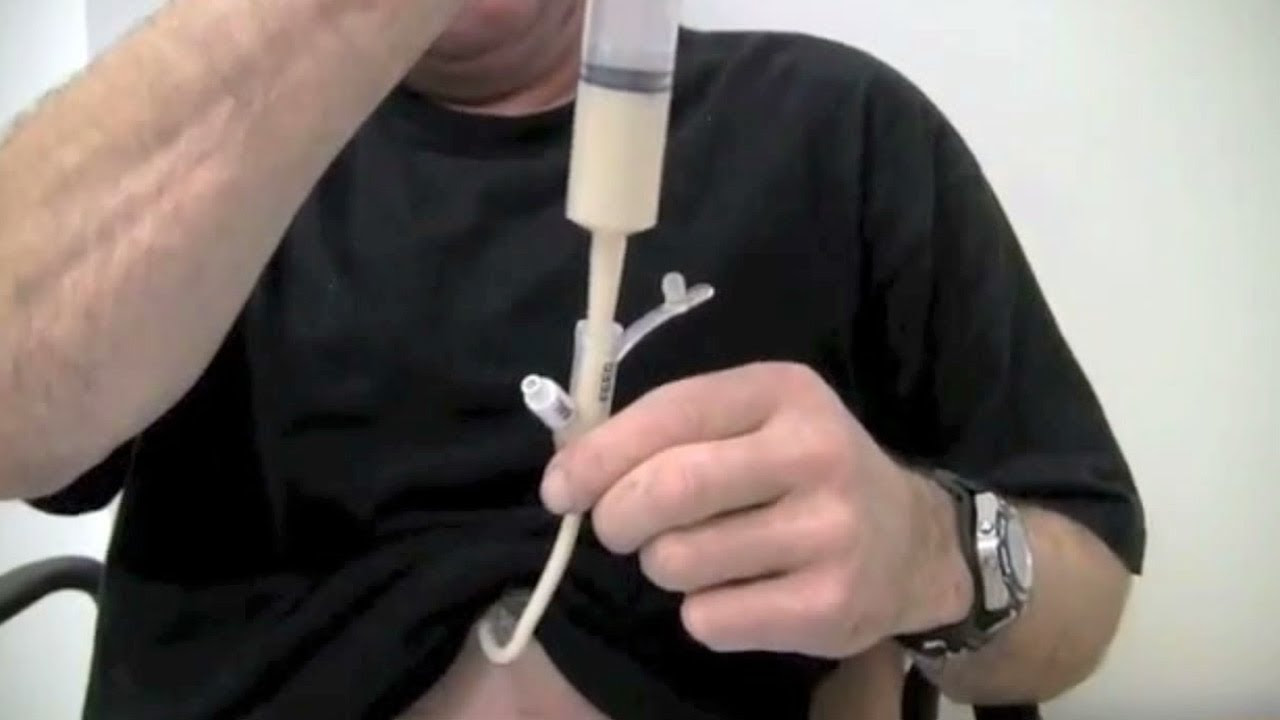
PEG feeding describes the administration of nourishment with a tube placed straight right into the stomach. This approach is important for patients that can not consume by mouth because of numerous reasons such as neurological conditions, head and neck cancers cells, or severe swallowing difficulties.
Understanding Enteral Nourishment Support
Enteral nutrition assistance via PEG tubes guarantees that clients receive adequate nutrition even when they can not ingest food generally.
- Benefits of Enteral Nutrition: Reduced threat of aspiration. Maintains digestive tract integrity. Provides necessary nutrients directly.
How are PEG Tubes Inserted?
The insertion procedure includes endoscopy. A versatile tube is led with the stomach wall into the stomach under neighborhood anesthesia. This minimally invasive method typically allows for quicker recuperation times contrasted to traditional medical methods.
Everything You Required to Know About PEG Tubes: Insights from Our Training
Training on PEG tube monitoring is crucial for healthcare providers. Recognizing how to take care of these tubes makes certain person security and ideal nutrition delivery.
Types of PEG Tubes
There are various sorts of PEG tubes tailored for certain patient requirements:
- Standard PEG Tube: Most typical; allows long-lasting feeding. Low-Profile Stomach Tube (LPGT): Much less meddlesome; ideal for active patients.
Choosing the Right Tube
The choice relies on aspects like period of feeding demands and client lifestyle.
The Value of Training in PEG Feeding
Training is vital not just for putting and taking care of PEG tubes yet additionally for understanding prospective issues and fixing issues that may arise.
NDIS PEG Feeding Training
For specialists working with National Disability Insurance Policy Plan (NDIS) customers in Australia, specialized training courses are offered focusing on enteral nutrition support particular to individuals with disabilities.
Course Overview
- Duration: Commonly covers numerous days. Content: Covers useful skills and theoretical knowledge required for effective tube management.
Enteral Feeding Assistance Courses Available
Healthcare professionals need to be furnished with expertise regarding enteral feeding via structured courses that cover both technological abilities and person interaction techniques.
Key Components of an Enteral Feeding Support Course
Anatomy & Physiology Related to Feeding
Understanding just how nutrition enters the body helps caregivers offer much better support.
Feeding Techniques
Find out various ways to provide feeds based upon individual client needs.

Monitoring & Taking care of Complications
Determining signs of potential issues early can bring about far better outcomes.
Patient Education & Communication Skills
Gearing up people and family members with essential details fosters self-reliance and confidence.
PEG Training Courses: That Needs To Attend?
Courses made especially for nurses and support workers concentrate on supplying them with detailed understanding relating to enteral feeding methods making use of PEG tubes.

PEG Training for Nurses
Nurses play a critical duty in person treatment involving PEG feeding. Specialized training equips them with abilities needed for placing tubes safely and managing daily feedings effectively.
Skills Acquired
- Assessment before tube insertion. Techniques associated with tube placement. Post-insertion care procedures including cleansing routines.
PEG Training for Assistance Workers
Support employees commonly aid people throughout their recovery in your home or throughout rehab centers. Hence, they also require ample training focused on:
Basic handling procedures. Recognizing indications of distress or complications. Providing emotional assistance along with dietary assistance.Peg Feeding Certificate: Validating Your Skills
Completing an identified peg feeding training program typically culminates in getting a certification that validates your experience in this field-- a considerable property whether you're seeking a job within healthcare or improving your existing qualifications.
Benefits of Acquiring a Peg Feeding Certificate
- Enhances employability within retirement home or hospitals. Builds trust with individuals and families concerning your competence.
Understanding Enteral Feeding Challenges
Despite its advantages, enteral feeding by means of PEG can feature difficulties, which require continuous education and awareness among health care providers.
Common Difficulties Connected with PEG Tubes
Infection at the insertion site Clogged feeding tube Displacement of the tubeRecognizing Indications Early
Quick recognition can lead to timely interventions which significantly improve patient safety.
FAQs Regarding Peg Feeding
1. What are the primary signs for utilizing a PEG tube?
PEG tubes are mainly shown when people have ingesting troubles because of neurological problems, head/neck cancers cells, or prolonged unconsciousness requiring long-lasting nutritional support.
2. Just how often ought to a caretaker examine the positioning of a PEG tube?
Caregivers should regularly examine positioning before each feed-- at the very least as soon as per shift-- to ensure right placing within the stomach.
3. Can dietary preferences be observed with enteral feeds?
Yes! Personalized solutions can suit nutritional limitations as bought by dietitians based upon specific health and wellness requirements or cultural preferences.
4. What need to I do if my individual's tube ends up being clogged?
Flush with cozy water first; if that does not work, make use of specialized unclogging solutions advised by health care professionals after seeking advice from appropriate protocols.
5. Are there any kind of dietary constraints while utilizing a PEG tube?
Consultation with a dietitian is a good idea; however, most individuals can take pleasure in diverse diets if formulated appropriately via enteral formulas developed especially for their needs.
6. Just how do I take care of psychological worries associated with having a PEG tube?
Open interaction regarding concerns assists relieve anxiousness; therapy solutions might also be beneficial alongside academic sources offered by wellness specialists involved in treatment plans.
Conclusion
Understanding everything you need to know about secure tubes is not simply an academic workout; it has to do with improving lives via effective nutritional assistance methods personalized according to specific demands. From identifying what peg feeding requires via extensive training programs like ndis peg feeding training and enteral feeding courses, we develop structures that promote not just physical wellness however total well-being too!
As we continue advancing our data base around methods like peg feeding, it's essential that we continue to be fully commited-- with education and learning-- to making certain risk-free techniques that boost high quality life experiences for all involved in these what is peg feeding complex yet gratifying processes!